Review: I'm the Favorite Auntie Retro SVG for Stitching
As a designer who spends more time staring at stitch maps than most people spend on their phones, I approach every new digital embroidery file with a healthy dose of skepticism. We have all been there: you buy a cute graphic, load it into your software, and realize the density is going to turn your fabric into cardboard or the tiny text is going to vanish under a satin column. That is why I took a close look at the I m the Favorite Auntie Retro SVG Design before committing it to a client project. This isn't just about whether the image looks good on a screen; it is about how it translates from a vector path to a tangible handmade product.
The Vibe Check: Retro Charm Meets Modern Craft
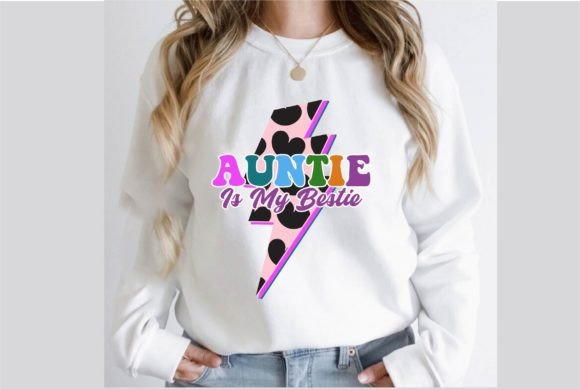
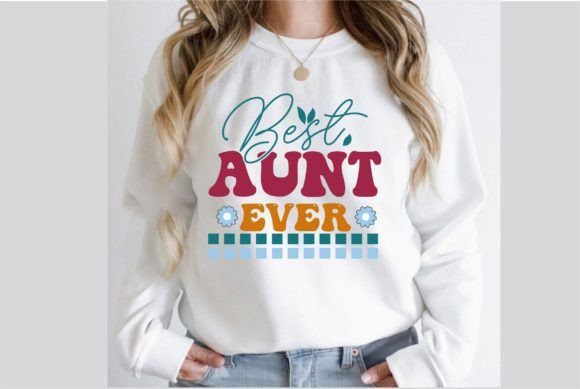
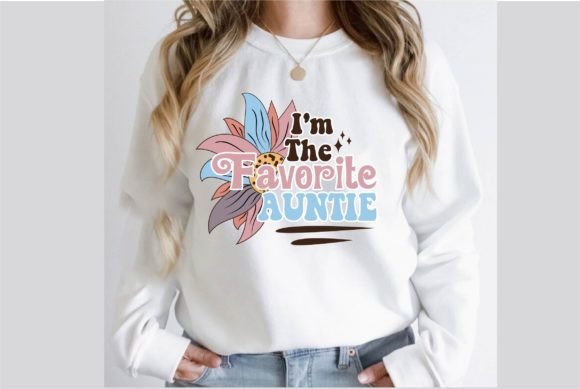
My first impression of this design was its mood. The "retro" aesthetic is everywhere right now, but executing it in thread requires a specific eye for shape and negative space. This design captures that groovy, 70s-inspired warmth without feeling dated. The typography has a playful bounce to it, which suggests personality immediately. For an Etsy seller or a boutique owner, vibe is half the battle. If a customer sees a tote bag or a sweatshirt with this design, they instantly understand the brand voice: fun, familial, and slightly nostalgic.
Visually, the layout feels balanced. It does not rely on overly intricate details that would get lost in translation. Instead, it uses bold shapes and clear lettering, which is exactly what you want for a machine embroidery design intended for wearables. The simplicity here is a strength, not a weakness. It means the design can scale reasonably well without losing its identity, provided you respect the limits of your hoop and fabric.
Real-World Application: The Tote Bag Test
To truly evaluate this asset, I imagined a specific real-life scenario: creating a custom gift set for a new aunt. I pictured stitching this onto a heavy canvas tote bag design. Canvas is forgiving, but it also shows every imperfection in registration. The I m the Favorite Auntie Retro SVG Design holds up remarkably well in this mental simulation. The curves of the letters would translate beautifully into a satin stitch, giving that smooth, glossy finish that screams quality.
Beyond tote bags, I can see this working exceptionally well on sweatshirt embroidery. Fleece and French terry can be tricky because the pile of the fabric can swallow small details. However, because this design relies on strong, retro-style forms rather than hairline fractures, it should pop nicely against textured fabrics. It would also make a fantastic embroidered patch. If you digitize it with a merrowed edge or a simple running stitch border, it becomes a versatile accessory that customers can iron onto denim jackets or backpacks.
For those running a craft business, versatility is key. This design fits seamlessly into categories like baby embroidery for onesies (with careful scaling), holiday embroidery for family gathering shirts, or even home decor like pillow covers. It creates an emotional connection, which is the secret sauce for high-converting small shop products.
Technical Considerations and Fabric Choices
While the design is strong, no graphic is universal. There are scenarios where you need to proceed with caution. If you are planning to stitch this on a cap, remember that curved surfaces distort designs. The arched nature of some retro fonts might clash with the curve of a hat brim if not positioned perfectly. You would need to preview this in your embroidery software's 3D view before hooping.
Fabric texture plays a massive role here. On thin or stretchy fabrics, like a lightweight tri-blend tee, the stitch density becomes critical. Since this is provided as an SVG and other vector formats (AI, DXF, EPS), you likely need to digitize it yourself or use auto-digitizing software unless a specific stitch file is included in your purchase. If you are auto-digitizing, watch your pull compensation. Heavy density on stretchy fabric leads to puckering, which ruins the finished product. Always use a high-quality stabilizer—probably a cut-away for garments that will be washed frequently—to maintain the integrity of the retro shapes.
Color contrast is another factor. This design shines on light or medium backgrounds where the retro palette can stand out. On dark fabrics, you will need to ensure your thread colors are vibrant enough to overcome the background noise. A test run on scrap fabric of the same weight and color is non-negotiable. Do not skip this step, especially if you are selling these as personalized gifts or custom apparel for clients.
File Formats and Workflow Efficiency
One of the strongest aspects of this package is the inclusion of multiple file types: AI, SVG, PNG, DXF, and EPS. For a professional workflow, this is gold. The SVG and DXF files are perfect for importing directly into digitizing software like Embird, Wilcom, or Hatch. The AI and EPS files are invaluable if you need to tweak the vectors in Illustrator before sending them to the machine, perhaps to adjust kerning or separate elements for an applique design approach.
The PNGs are excellent for creating printable mockups for your online store before you even stitch a single thread. Being able to show a customer a realistic preview of the I m the Favorite Auntie Retro SVG Design on a mockup sweatshirt can seal the deal faster than a flat image ever could. Having all these design assets neatly organized in folders saves precious time, allowing you to focus on the stitching rather than file conversion.
Final Verdict for the Creative Entrepreneur
In the world of Crafts and Graphics, trends come and go, but family-centric designs remain evergreen. The I m the Favorite Auntie Retro SVG Design strikes a balance between trendy aesthetics and timeless sentiment. It offers high visual appeal and stitching clarity, which directly impacts your brand consistency and customer trust. When a buyer receives a product that looks professional and feels durable, they return.
However, remember that buying the file is only step one. To ensure success in commercial embroidery projects, you must verify the licensing terms provided by the creator. Ensure you are cleared to sell finished physical items or if there are restrictions on digital resale. Check the specific stitch count and recommended hoop size if those details are provided in the download instructions; if not, your due diligence in testing is even more vital.
Ultimately, this design is a solid addition to your library. Whether you are making a kitchen towel for a holiday gift, branding merchandise for a boutique, or creating a unique nursery decor item, this retro gem has the potential to elevate your work. Just respect the fabric, mind your tension, and let the retro vibes do the rest.